Your damp proofing guide
Welcome to Wight Damp Proofing's comprehensive guide to understanding and tackling damp issues on the Isle of Wight. We're here to help you identify, prevent, and resolve damp problems, ensuring a healthy and structurally sound home.

Common damp problems on the isle of wight
The Isle of Wight's coastal climate can exacerbate damp issues. The most common problems we solve are penetrating damp, condensation, and rising damp, often intensified by high humidity and wind-driven rain. Understanding these issues is the first step toward effective prevention and treatment.
Prevention is key: ventilation matters
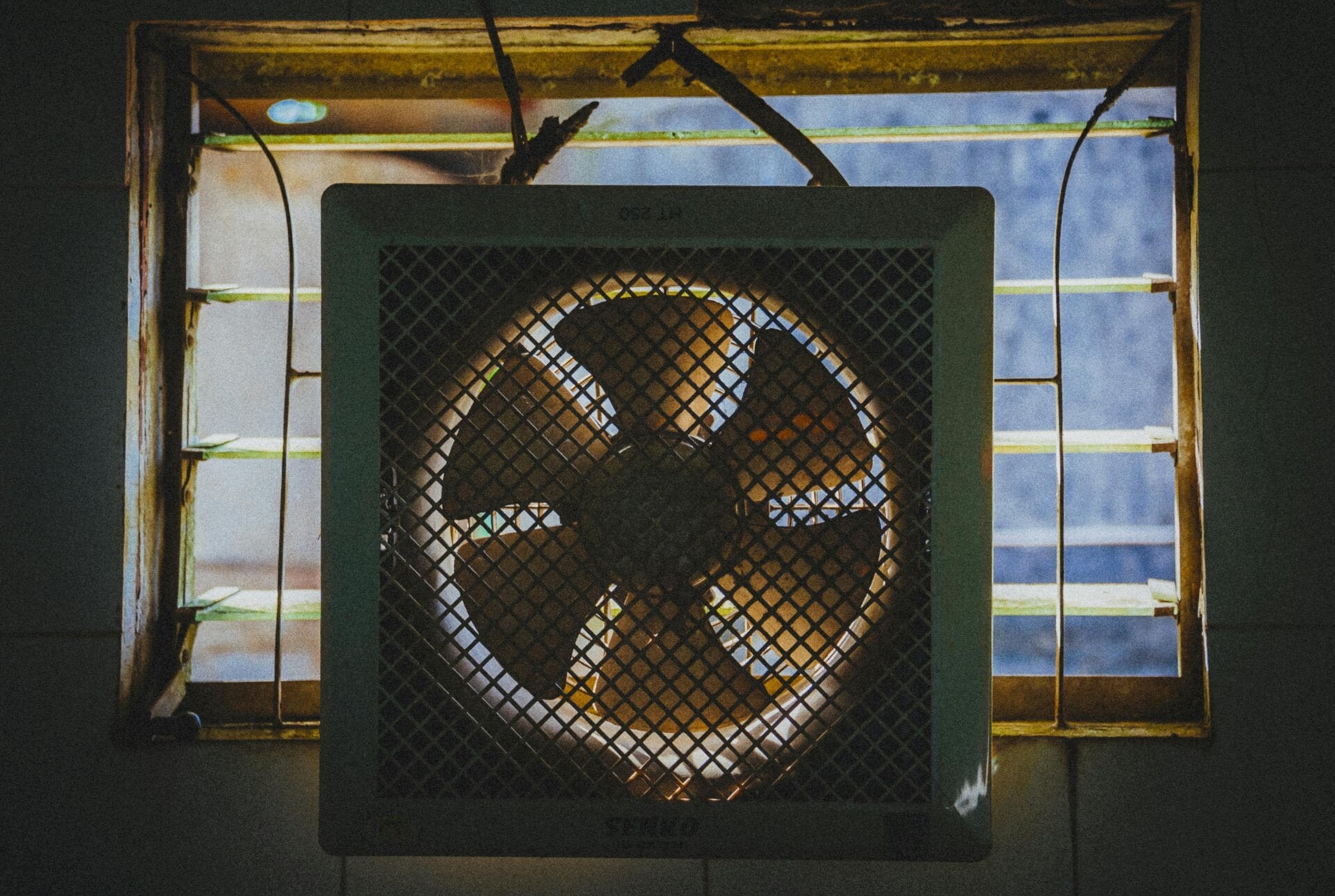
The single most important thing every homeowner should know about preventing damp is that ventilation and extraction are your first and best defence. Most domestic damp issues start with condensation—a consequence of excess moisture being generated within the home (through cooking, showering, drying clothes, etc.) and having nowhere to go. This internal moisture then settles on cold surfaces, leading to black mould and musty smells.
Before investing in expensive structural repairs, consistently focus on simple habits:
- Use extractor fans in kitchens and bathrooms every time you generate steam, and leave them running for a short while afterwards.
- Open windows briefly every day to air out the property and replace humid air with drier air, even in winter.
- Avoid drying clothes indoors without adequate ventilation (e.g., using a tumble dryer that is properly vented to the outside).
- Ensure existing air bricks and trickle vents are not blocked, allowing for constant airflow.

What makes island damp proofing different?
At Island Damp Proofing, we pride ourselves on being good at what we do. Our commitment to quality workmanship and customer satisfaction sets us apart. We understand the unique challenges of Isle of Wight properties and provide tailored solutions to meet your specific needs.

Expected results after damp proofing with us
After treatment from Island Treatment Specialists Ltd (often referred to locally as Island Damp Proofing), homeowners can expect both immediate aesthetic improvements and long-term structural security.
Immediate Results:
- Professional Finish: Customers report a "flawless finish" on remedial work, which often includes high-quality re-plastering, fitting new skirting boards, and necessary carpentry to restore the area to a spectacular condition.
- Clean and Tidy Sites: A common highlight in reviews is the team's commitment to cleanliness, ensuring all dust and debris are cleared after completion.
- Rapid Problem Resolution: For coastal properties, treatments are designed to immediately address the "problem coastal damp" that often plagues the island.
Long-Term Outcomes:
- 30-Year Company Guarantee: All treatment work is backed by a full 30-year guarantee, ensuring the property remains dry for decades.
- 10-Year Insurance-Backed Guarantee: This provides secondary protection, which is essential for satisfying mortgage lenders and building societies during future property sales.
- Improved Breathability: For older period properties, specialists focus on maintaining or improving the building's breathability to prevent future moisture traps.
What to Expect During the Drying Process:
It is important to remember that damp proofing is a biological and physical process that requires an aftercare period:
- Drying Timeline: Walls typically dry at a rate of roughly one month per inch (25mm) of wall thickness.
- Temporary Decoration: You should wait at least four to six weeks before applying a light, water-based "mist coat" of paint. Permanent decoration like wallpaper or vinyl-based paints should be avoided for up to 12 months to allow the masonry to fully breathe.
- Salt Management: Specialist salt-resistant renovation plaster is used to prevent any remaining ground salts from damaging new decorations as the wall dries out.
Create Your Own Website With Webador